
Hashimoto’s disease is an autoimmune condition in which the immune system attacks the thyroid gland.
Hashimoto’s disease is an autoimmune condition in which the immune system attacks the thyroid gland.
The thyroid plays a central role in regulating:
In Hashimoto’s disease, immune-mediated inflammation gradually impairs the thyroid’s ability to produce adequate thyroid hormones. Over time, this often leads to hypothyroidism — a slowing of metabolic function throughout the body.
Many people describe Hashimoto’s as:
“I’m exhausted no matter how much I sleep.”
“My weight keeps increasing.”
“I feel cold all the time.”
“I don’t feel like myself anymore.”
At Philadelphia Center for Anti-Aging, we view Hashimoto’s not simply as a thyroid number on a lab report. It is an immune and hormonal imbalance that affects the entire metabolic system. Proper evaluation requires more than a basic TSH test.


Hashimoto’s develops when genetic susceptibility combines with environmental and metabolic stressors.
Common contributors include:
From a clinical perspective, Hashimoto’s involves the production of antibodies against thyroid tissue. Over time, this immune activity interferes with the gland’s ability to produce T3 and T4 — the hormones responsible for metabolic regulation.
Cortisol imbalance, estrogen dominance, low testosterone, and chronic inflammation can all amplify autoimmune activity. When stress and hormone regulation are unstable, thyroid function often worsens.
The issue is not simply “low thyroid.” It is immune dysregulation affecting metabolic control.
Symptoms often develop gradually and may fluctuate, especially in early stages.
Common signs include:
Many patients say:
“My labs were ‘normal,’ but I feel awful.”
“I’m doing everything right, but I can’t lose weight.”
“I thought this was just aging.”
Hashimoto’s often overlaps with hormone imbalance and chronic stress patterns, which can make symptoms more complex.
These patterns deserve thorough evaluation.

While Hashimoto’s requires medical supervision, foundational strategies can support thyroid and immune health.
Immune regulation and thyroid function depend on restorative sleep.
Balanced meals with adequate protein help reduce inflammatory stress.
Elevated cortisol can worsen thyroid dysfunction.
Minimizing inflammatory foods may support immune balance.
Severe calorie restriction can further suppress thyroid function.
If symptoms persist, worsen, or remain unexplained despite “normal” labs, comprehensive thyroid testing is appropriate.
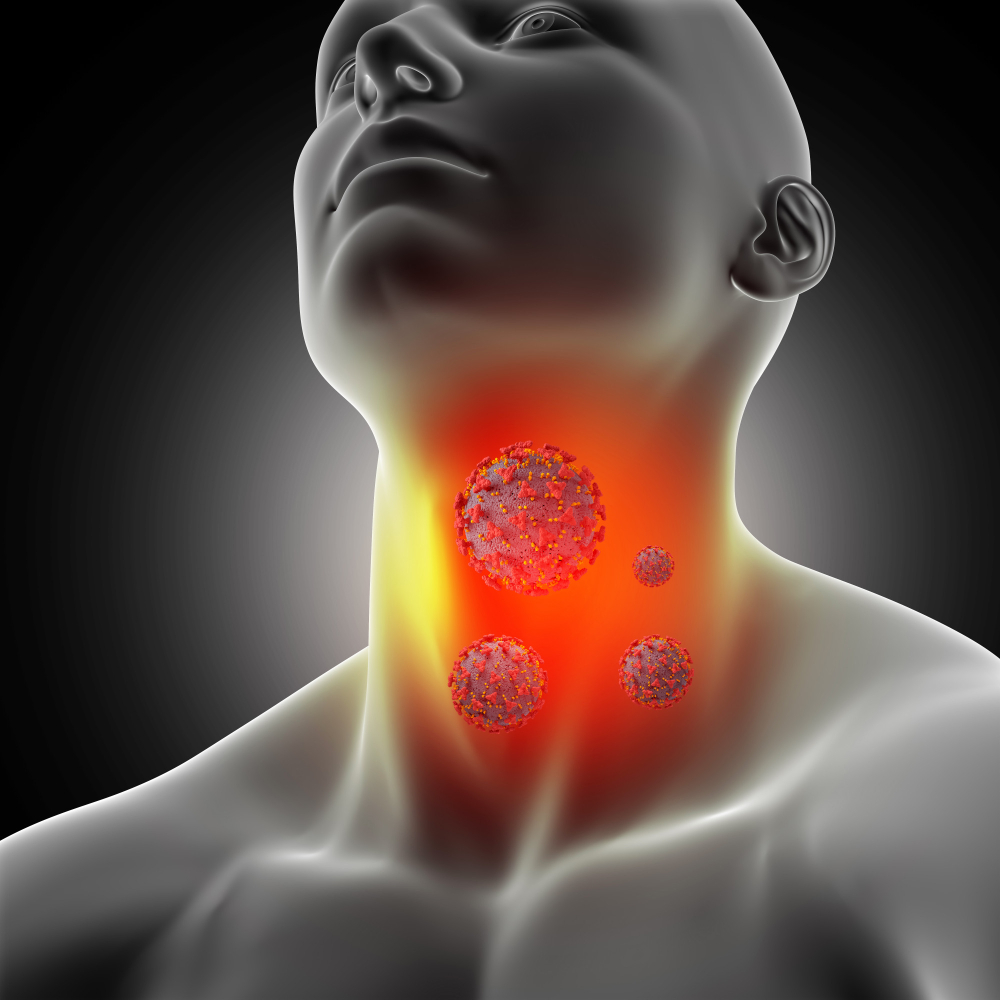
At Philadelphia Center for Anti-Aging, treatment focuses on supporting thyroid hormone levels, reducing inflammatory burden, and optimizing related hormone systems.
Depending on your evaluation, options may include:
Hashimoto’s management must be personalized. Relying on TSH alone is often insufficient.
We test, measure, and build a plan based on complete data.
For over 20 years, we have helped men and women throughout the Philadelphia area address complex hormone and metabolic conditions with structured, medically guided care.
Our process emphasizes precision and long-term stability:
We evaluate energy levels, weight changes, immune history, stress patterns, and hormone transitions.
We assess full thyroid panels, antibody levels, inflammatory markers, hormone balance, and metabolic status.
We explain how immune activity, hormone changes, and metabolic stress are interacting.
Your treatment plan is designed to support thyroid function while improving overall energy and metabolism.
Hashimoto’s requires monitoring and adjustment over time to maintain stability.
At Philadelphia Center for Anti-Aging, Hashimoto’s disease is not dismissed as “just low thyroid.”
You don’t have to accept fatigue, weight gain, brain fog, or feeling slowed down as your new normal.
With proper evaluation and personalized medical care, it is possible to restore metabolic balance and feel more like yourself again.
If you’re ready to feel stronger, leaner, and more energized. We’re ready to help.